Thursday, November 17, 2011

Thanksgiving Favorites

This Thanksgiving I get to cook dinner for my family. Growing up, both my husband and I had traditional foods that were served during this special meal. This Thanksgiving I am planning to prepare the two most sought after dishes from both our families, carrying on the traditions.


Spinach Mushroom Dish


Ingredients:
3-4 Boxes of Frozen Spinach-thawed
2-3 pkg. of whole mushrooms-removed stems
1 c. shredded cheese or 8 oz. sliced processed cheese (Velveeta/American)
Mustard
Chopped Onion


Directions:
1. Drain Spinach thoroughly
2. Pat spinach around the edged of a casserole pan (like a pie-crust)
3. Place mushrooms in the middle of the spinach-using space well
4. Melt cheese and mix with a little onion and mustard
5. Pour cheese over mushrooms
6. Bake at 350 for 30 minutes


Cranberry Salad


Ingredients:
2 small packages Cherry Jell-O
2 cups cranberries, diced
1 cup apples, diced
1 cup celery, diced
1 cup walnuts, chopped
2 cups sugar
3½ cups hot water

Directions:
Prepare fruit and nuts
Add sugar and let stand 1 hour and stir
Make Jell-O with water
Let set up for about 1 hour in fridge
Add fruit and nuts and stir
Let set up in fridge

Monday, November 14, 2011

The Guestroom

I love having guests in my home. One of the funnest things for me is making up a comfortable guest room. Before we had a baby, we actually had a spare bedroom I reserved for guests. It was always enjoyable to have friends and family stay and let me spoil them. As the holidays approach, many homemakers are preparing for long-distance guests to arrive. I have compiled a general checklist of preparations a homemaker can make to prepare for her guestroom. 

The Guestroom


-comfortable bed-clean sheets-several pillows for guests to choose from

-extra blankets

-closet space for hanging dress clothes

-a box of tissues

-a trash basket

-a couple empty drawers in a dresser for extended staying guests

-luggage rack or table to lay out luggage

-freshly cleaned and folded towels and washcloths (average 2 per person-it will make them comfortable should an accident happen) I usually have 1 towel and washcloth per person and show my guests where my extra stash of linens are kept in case they need more.

-books/magazines/TV-forms of entertainment

-basket with light snacks (peanuts, pretzels, granola bars bottled water)

-coasters on nightstands beside the bed-many guests like to keep a glass of water beside their bed at night

-a spare plain bathrobe on a hook behind the door-slippers are a nice touch too

-a mirror in the bedroom is very important-especially for lady visitors

-a tray with safety and hairpins-these can be life-savers to a guest

-a easy-to-use alarm clock-not too bright

-1-2 outlets in the room that are easy to access for electronics. Guests will need a place to charge cell-phones and computers, outlets will also be needed for blow-dryers and curling irons.

-Either in the guestroom or bathroom and small basket with cotton swabs and cotton balls should be conveniently placed.

-I like to keep a Bible or two in the guestroom-sometimes guests come for a weekend visit and may want to take a Bible to church Sunday, or read it in their free time.


^V^V^V^V^V^V^V^V^V^V^V^V^V^V^V^V^V^V^V^V^V^V^V^V^V^V^V^V^V^V^V^V^V^

Nice Touch-Make sure the room is a comfortable temperature-and if it is possible locate the bed so it is not in the direct airway of a heat or air vent.

Nice Touch-A small fan in the room can help guests sleep better by blocking out unfamiliar sounds.

Nice Touch: Keep the dresser and tabletops in the guestroom empty-it is not an opportunity to display personal collections. Guests will need the space to spread out of their luggage.

Nice Touch: If there is room in the guestroom-a love-seat or chair is a welcome addition so guests are not confined to sitting on the bed.

Nice Touch: A good light by the bed to read by and convenient to shut off just before sleeping. (Guests shouldn't have to out of bed to switch of the light by the door.)

Nice Touch: If there are options, choose to place the guestroom in the most private and quiet corner of the home-near a bathroom is an added nicety.

Nice Touch: If guests are not allergic to pollen-a bouquet of fresh flowers can be purchased on the day of the guests arrival

Nice Touch: If the guestroom floors are wood or tile, a rug should be placed on either side of the bed or under the circumference of the bed so guest's feet do not touch cold, hard floors.

Above all-make sure the guestroom is neat and clean-freshly dusted  cleaned windows, and polished or vacuumed floors are wonderful. 

The key to making guests feel welcome is to encourage them to feel at home, loved, and wanted. 


Friday, November 11, 2011

Neglected Corners

I have found that in my general cleaning, very often there are places I neglect to clean. Sometimes, it is because they are simply unnoticed, other times because I assume that since they are out of sight, their overall cleanliness is less important than the places I see and touch on a daily basis.

Cobweb check:
Ceiling corners
Floor corners
Above lampshades
Around window frames and curtains

Doors:
Dust grates on metal folding doors
Dust around the doorframe (for wood stained frames, an occasional wash with Murphy’s oil or tea water will bring out the natural luster)
Outside of your front doors-they can look dingy with one good rain

Baseboard:
Can collect dust and grime needs a wipe down on occasion

Windows:
Both sides-in and out need to be cleaned if possible
Frames around windows-often collect dead bugs
Screens- can be removed and hosed down in a bathtub or outside

Sanitary Check:
A can of Lysol or vinegar water can be most helpful in the winter cold and flu season-unseen germs collect in these well used places all the time
Phones-including cell phones
Computers and Computer Mice
Doorknobs
Faucets and toilet handles
Light Switches
TV and Game Remotes
Toss toothbrushes every 3 months or when a sick person has used it
Microwave wet cleaning sponges for 2 minutes to kill bacteria/toss used sponges that are over 3 months old

High Places:
Light fixtures-can make a room twice as bright with clean globes
Ceiling fans
Above cupboards
Above refrigerator
Tops of curtains, drapes, and blinds (long handled feather dusters are great friends)

Insides:
Dishwashers should be wiped down and sprayed with sterilization fluid once a month/seals also need to be cleaned
Microwaves should always be kept clean-often the ceilings of microwaves are neglected in the cleaning process
Washing machine and Dryer

Underneath and Behind:
Kitchen and Laundry Room Appliances
Under Furniture
Behind TV and entertainment electronics

Walls:
Need to be wiped down-a Mr. Clean Magic Eraser is a great tool for getting the job done easily

Plants:
Both Fake and real plants need to be dusted

Trash Cans
Need a bit of rinsing out and a spray of disinfectant

Thursday, November 10, 2011

Basic Cleaning Techniques

I enjoy the art of cleaning. Oh yes, even cleaning has its finer points and takes creativity, thought, and structure. There is a method to cleaning. Don Aslett addresses the issue of cleaning order in his book Do I Dust or Vacuum First? For instance, there are rules that are important to follow that keep cleaning simple, effective, and time efficient. For instance, during my college days, I spent one summer cleaning houses. I learned a lot from making mistakes. I beat out a rug in the house-causing dust to go up in the air settle on the freshly dusted furniture. I also found that floors should be vacuumed and wiped clean after everything else has been cleaned. Some people take a lot of cleaning techniques for granted because a lot of it is common sense, however, as I said before, cleaning is an art, and for many people, the methods of cleanliness do not come naturally and must be learned. 


3 cleaning principles


1. Start from the top down in every project, whether it be wiping down a bathtub, dusting, or wiping walls. 


-starting from the top down allows gravity to work and carry dirt down where the floor will be the last project tackled. 


2. Wipe in swirls, whether it is counter-tops, windows, or floors.


-using a moment of small circles will eliminate streaks, missed spots, and lines in cleaning-giving a more thoroughly cleaned surface


3. Use the appropriate products for cleaning


-as tempting as multipurpose cleaners are, multipurpose has its limits. One does not want to use a water, ammonia, or alcohol based fluids on wood, and one certainly does want to use an oil based fluid on ceramics, counter-tops, or windows. 

Tuesday, November 8, 2011

The Empty Rocking Chair

Silence - see my comment


Being a wife and mother is a busy and demanding role. I place all sorts of personal expectations on myself-most of which I never meet. This past week my little baby girl got a cold. I suddenly began setting everything else aside to hold, and coddle her. It was then that I realized, motherhood had become a responsibility to me--not an enjoyment. Other people enjoyed my baby. They held her, played with her, cooed with her, and admired her pretty blue eyes. I did what a good mother should do, I changed her diaper, bathed her, fed her, put her to bed, read books to her, played peek-a-boo and patty-cake, and kept her with me and talked to her while I worked around the house. But had not stopped taking the time to just hold her. Oh, I held her a lot the first few weeks of her existence, but it wasn't long until I looked forward to her nap time so could get things done. I had reasoned myself out of rocking her. The doctor said it was good for her to be able to put herself to sleep without rocking. I didn't want her to get too attached to me rocking her that she wouldn't go to sleep for anyone else. It might be hard on her back...


Last week changed my perspective. I rocked her to sleep for the first time since she was two months old, then I held her and watched her sleep. It was then that I realized, I had been so busy being a mother to her, that I had neglected to simply stop, enjoy her, and soak up her essence. She is six months old now and just beginning to crawl. The time I have had with her on earth to this point has already fled from me. Before long, she will be too old to hold on my lap while I rock her to sleep. I have made a decision to treasure every moment I have with her and make the most of them-even if it means doing absolutely nothing for an hour but hold her while she takes her afternoon nap. Since then, I have made it a habit to rock her and hold her during her afternoon naps. She is too little for there to be an empty rocking chair in our home. The time will come soon enough for that.


Life is short and fleeting. We are wise to enjoy the people the Lord has placed in our lives while we can--whether it be grandparents, parents, children, spouses, or grandchildren. Every moment we have to share with them is first a treasure-duty comes second.


Monday, November 7, 2011

Thanksgiving Traditions

When Jim and I first got married I wanted to start some traditions of our own. We spent our first couple Thanksgivings with family, but when we moved west, we stayed home for Thanksgiving and enjoyed some traditions together. As our family grows I would like to create more traditions and am constantly looking for new ways to encourage a spirit of Thankfulness in our home--not just once a year either!

Thanksgiving Traditions

Purchase a large Tablecloth and permanent-non washable pens. Every Year, have your family and guests write and date what they are thankful for that year. We have done this for a couple years, and it is fun to go back and look at the events each year has brought that we are thankful for.

Thanksgiving History-a good 5th grade history book is a nice place to start and remember why the pilgrims came to America, what they suffered, and what the first Thanksgiving celebration was like.

Volunteer to serve dinner at a homeless shelter or purchase gifts for the rescue mission Christmas on black Friday.

Don't make Thanksgiving a seclusive family dinner-always invite friends and neighbors to join. Find people who have no family nearby and have them over. Or join another family for Thanksgiving. 

Like Christmas, Thanksgiving is another opportunity to reach out to the neighbors. Make Turkey cookies or pumpkin bread and deliver it with a friendly and gospel centered note to neighbors.


Friday, November 4, 2011

Defining Good Quality Clothing


As a professional seamstress with a clothing and textiles background, I have often been asked what some of the best quality clothes that I have seen. I would be the first to tell you that the little tag in the back of clothing that advertises a product name, has nothing to do with the quality of that item. I can tell you if an article of clothing is good quality by how it looks, feels, and the fabrics used and how it stitched together. The majority of the name brands people pay big bucks for are often fabricated in China, India, and Korea. In essence--those clothes are not made with high quality products.

Good Quality Clothing

Quality Appearance:
Look Comfortable
Well Fashioned/Tailored
Made to flatter and Fit
Classic or Classic with a touch of fashion-not overdone


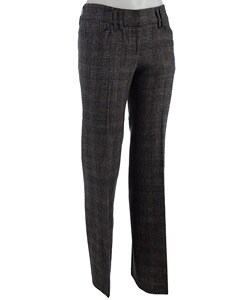
MICHAEL Michael Kors Women's Plaid PantsWool Plaid TrouserFor example the wool plaid trousers from LL Bean's Signature collection might not be my personal taste, but just looking at them, I can see they are high quality merchandise. The cut of the slacks is flattering and fashionable, unlike the plaid slacks from Overstock.com on the right. The appearance of the fabric also means a great deal. It should look special and unique and substantial. The slacks to the left are one of a kind, the fabric is probably custom selected for those slacks. The slacks on the right look uncomfortable, rough, and are probably cut from a standard stock of fabric that is used in hundreds of other retail designs.

Quality Feeling
Soft
Thick
Wrinkle Resistant

I love to touch fabric. I can tell a good piece of fabric from a cheaper piece simply by the feel of it. I was recently disappointed when I purchased some rather expensive and name brand T-shirts for my husband. I was unable to feel the shirts before I purchased them because they were packaged in plastic and I didn't feel right about opening them before purchasing. When I got home and unwrapped the package, I was disappointed to feel that the shirts were thin and rough. Not the thick, and supple feeling I thought an undergarment of that expense should have. Thin fabrics are usually an indicator of cheep, stingy producers. There are rare cases of thin fabrics that are of high quality. The key is the feel. Good quality thin fabrics should be luxuriously soft, if thin fabrics are rough, or only semi-soft, it is certain that the quality of the fabric is very cheap. I also like to squeeze clothes to test the wrinkle resiliency. The only fabric that is permitted to wrinkle is 100% linen. Other than that, most fabrics should bounce back pretty easily. 

Fabrics To Look For in Quality Clothing:
Lined Garments: Polyester is the only fabric that will never shred out of a coat or wear down in slacks-it is always the best choice for lining, however only high end clothiers use it, typically acetate lining is used. Acetate is the worst fabric invented-it wears out, it is noisy, uncomfortable, and overall cheap. Anything with acetate in it is therefore a cheap garment, I don't care how much it costs. 

Sweaters: Sweaters should be made of 100% wool or cotton to qualify as good quality clothing. Many sweaters are made from nylon, because the fact that is doesn't pill. However, it is an uncomfortable, artificial, and therefore lower grade fiber.

Jeans: The "Made in America" label will often determine the quality of fibers used in a pair of jeans. The Untied Stated has strict standards of fiber quality in manufacturing, whereas other countries have no standards and quality is weaker or non-existent. Jeans should be durable, well-cut, and soft. 

Socks and underwear: 100% cotton-the thicker, the softer, the better quality

Shirts, skirts, dresses: 100% silk, cotton, or linen-other than the linen, the fabrics should be wrinkle resistant

Suits: 100% wool-yes even for summer. Tropical wool is used to make lightweight suits and it is very comfortable even in the summer. Of course, suits should be lined with polyester.

Trousers: 100% cotton or 100% wool. 

The most important key to finding a good quality garment is the type of fabric used. Good quality clothes typically use 100% natural fibers such as cotton, wool, linen, silk, or other natural fibers. On occasion Rayon is used because of it's ability to flow and drape. Polyester is used in good quality clothing as lining fabric-that is it. 

Quality in the making:
Large seam and hem alloences
Lined garments
Secure stitching

How a garment is sewn together also tells a lot about the quality of the item. For example, I have altered oodles of bridesmaid gowns in the past few years. There are some brands, that I groan when I have to alter them because they are simply cheap. A well made gown will be made to altar because the producer expects that whomever buys that garment cares how perfectly it fits and will altar it accordingly. David's Bridal are the worst and cheapest gowns I have worked on, while Alfred Angelo is the nicest. David's Bridal will have very small seams and clip them-making letting out virtually impossible, while Alfred Angelo leaved a good inch of seam allowances. So before purchasing a more expensive garment-especially suits--I feel the seam allowances. A good piece of clothing will have generous amounts left in the seams. There will also be a good hem allowance on wool skirts and slacks to lengthen of needed. Another thing to look for in how a garment is made is to check for lining. Wool and some heavier fabrics should always be line-with polyester of course. Also, the only place I care to see chain stitching would be on hems. It should never-I repeat-never be used on the making of a garment. Just what I need is to catch a stitch and my whole garment falls apart!

Chain Stitch: Don't Want to See.


Regular stitches: Want to see.


Some Consistently Good Quality Clothing Brands
Tommy Hilfiger
L.L. Bean
Orvis
Eddie Bauer
Perry Ellis
Brooks Brothers


Wednesday, November 2, 2011

Mrs. Dunwoody's Tips-Purchasing Fruit and Vegetables

It can be difficult to chose fruits and vegetables at their optimum ripeness. I have the hardest time with melons and pineapple. I have found these tips from Mrs. Dunwoody's Excellent Instructions for Homemaking by Miriam Lukken most helpful.


Asparagus: Stalks should be tender yet firm; tips should be close and compact. Choose stalks with very little white, they are more tender. Use it immediately because it toughens rapidly.


Broccoli and cauliflower: Flower clusters should be tight and close together. 


Brussel Sprouts: Should be firm and compact. Smudgy, dirty spots may indicate insects.


Cabbage and head lettuce: Choose heads heavy for size. Avoid cabbage with worm holes, or lettuce with discoloration or soft rot. 


Cucumbers:n Chose slender cucumbers for the best quality. They may be dark or medium green, but yellow ones are undesirable..


Root Vegetables: Should be smooth and firm. Very large carrots may have woody cores; oversized radishes may be pithy; oversize turnips, beets, and parsnips may be woody. Fresh carrot tops usually mean fresh carrots, but the condition of the laves on most root vegetables does not indicate degree of freshness.


Cantaloupes: Thick, close netting on the rind indicates best quality. Cantaloupes are ripe when the stem scar is smooth and the space between the netting is yellow or yellow-green\. They are best to eat  when fully ripe with a pleasant, sweet, fruity odor.


Honeydews, Honeydews are ripen when the rind has a creamy to yellowish color and velvety texture. Immature honeydews are whitish green.


Watermelons. Ripe watermelons have some yellow color one side. If melons are white or pale green on one side, they are not ripe.


Pineapples. Pineapples are ripe when a leaf at the top of the pineapple pulls out easily.