Showing posts with label Children. Show all posts

Thursday, June 28, 2012

Encouraging Verbal Skills

As a disclaimer, I am not writing this article presuming to be an expert on teaching verbal communication to a child. These are some tips I have learned from other people and personal experience. When our first daughter was born over a year ago, my husband and I discussed whether or not to teach her sign language. We choose not to, because we have known some children who learned sign language and it slowed down their verbal communication because the need to speak was not as urgent to them. Also, we thought that although she may be able to communicate through sign language with Mom and Dad, almost anyone we got to watch her would't be aware of what she was saying. So, we decided to focus on encouraging verbal communication. After a year, our daughter communicates very well with knowing just a few words. 


One of the first phrases I taught Emma was "all done" I would emphasis that we were "all done" when she is through with eating, bathing, and diaper changes-she now uses that word whenever she is done with anything. It has been most helpful-instead of fussing-she will say "done" or "all done"


I read articles about how to encourage little ones to speak. And came up with a few helpful tips that we have implemented in our home.


1. Carry on conversations with her. I make it a point to keep Emma part of the communication at mealtimes and throughout the day. Rather than talking about her, I try to talk with her. I interpret her sounds and carry on conversations with her-even if they are majorly one sided. 


2. Respond. This is not the time to teach a child not to interrupt. Welcome interruptions. If Emma talks, I hear and answer. Even if it is "mommy can't help you right now" or "just a minute." I don't ignore her comments, but let her know that whatever she says is heard. Right now, her interruptions in adult conversation are very short, so I consider them more important than the current conversation I am carrying on with someone else. Eventually, she will learn not to interrupt.


3. Ditch the pacifier. I personally don't have a problem with a pacifier. In fact they have been proven to help reduce the risk of SIDS. We give Emma a pacifier for sleeping only. Throughout the day, she does not need it. It has been nice, because she is not strongly attached to it, and she is much more talkative without something in her mouth.


4. Transition from a bottle to a straw or adult cup. A lot of speech therapists agree that if a child does not learn how to use his tongue in other motions besides sucking, it slows down speech development. A child who can drink from a straw or cup, can learn how to use their tongue in different speech patterns much more quickly than a child who only drink with a bottle or sippy cup with a sucking motion. A cup or straw is a bit more messy, but it has been helpful for Emma to learn to use various types of motions for drinking.


5. Read. All educationalists agree that reading is key in building language skills. Emma has learned so much about the world of words from books. She can relate various words to images through reading. I like to spend a good hour or more every day reading books with her. Also, I make it a point to stop whatever I am doing if she brings me a book. It takes only a couple minutes to go though a child's book and taking advantage of that teachable moment is vital.


6. Repetition of the same words in various circumstances. I try to use the same words she knows to communicate with her. For instance, one of the first words she learned was "Dada" It didn't take long for me to be able to tell her "Dada's coming home!" She gets excited and heads for the door or window if I tell that to her now. She can also understand if I tell her "Take it to Dada" or "where is "Dada?" She now says "all done." I would use that phrase whenever she was done eating or done with a diaper change. Now I am using it to communicate picking up toys. As I am encouraging her to help put toys away, I use the words "all done" over and over. I want her to understand that when we are done playing with toys, we don't leave them on the floor, but put them away. 


7. Be simple, clear, and precise. Professional public speakers know that effective communication begins with being clear. When teaching new words to a child, the same principle applies. Although a baby may say "bubb..bbb" instead of the word "bubbles," it is important not to use the baby's form of speech to communicate. A baby understands the word spoken correctly, and to encourage it otherwise-no matter how cute it is, is in essence teaching a child that his way is the correct way to say the word. Some babies use baby talk and sounds and cannot be communicated with as a result. Using simple words is also advantageous. Emma does not need to know that the bird hopping on the grass is a robin and the bird on the roof is a crow. At her age, she simply needs to understand that they are both birds. When she can master that concept, we will discuss various kinds of birds.


8. Enunciate. Sometimes little ones don't learn how to say words correctly, because we don't say a word correctly ourselves. When teaching a child a new word, make sure to emphasize the sounds of each word. I try to do this especially in reading books and pointing out objects in the world. I try to emphasis d's and t's instead of letting words slip out of my mouth without them. 


9. Make silly sounds. Emma has learned to use her mouth in many ways simply because Jim and I make silly sounds with our mouth to her. We hiss, blow raspberries, click, and growl when playing with her. We also make faces at her-puff up our cheeks and stick out our tongues. She thinks those sounds and faces are great, and mimics them. Unknowingly she is adding to her language skills.


10. Loving words. This is my personal addition because I know all parents show affection differently to their children. Jim and I are both the cuddly and verbal commutators of love to each other and our children. I tell Emma over and over that "I love her." I want her to know that things are well between me and her. After discipline, it is especially important to restore loving fellowship with a child. I don't want her to avoid me because she thinks I am mad at her or because she is upset. So, even at her young age, I endeavor to keep the lines of communication open-all the time.


Wednesday, May 23, 2012

Soy Alert


I faced the facts about soy when I learned that my 3 week old baby was intolerant to milk and soy protein. Trying to eliminate soy from my diet while nursing was a arduous task. Dairy is fairly easy to pick out, but soy seems to be the hidden ingredient in almost everything. I had to read all those words at the end of a list of ingredients that I skim through because I can't pronounce them. Often, they are soy products. 
Recently more and more article have been written about the dangers of soy. Studies are starting to show that soy is not the healthy food it was once believed to be. It is possible that most Americans are unknowingly consuming more soy than they are even aware. Soy is an excellent source of protein, fiber, and B vitamins. Women in their late forties have often been encouraged to consume more soy products or take soy supplements to help reduce the symptoms of menopause. Infant formulas have been based on soy and some are completely made out of soy in order to accommodate the babies with milk allergies and digestive problems. People struggling with lactose intolerance have switched to using soy milk as a dairy alternative. Athletes have drunk soy based protein powders and energy bars for years. Vegetarians have heavily relied on soy as a meat alternative. Orientals use soy sauce and tofu as a regular part of their diet. So what is the big deal? It is obviously edible and nutritious.


What most people don't realize is that soy is used in the United States in most commercially prepared products. Soy has become overused and too much of a good thing has become a bad thing. Soy flour or soy protein is used in most commercially made breads, crackers, and cereals. Parts of soy can be found in canned goods, candy, and frozen foods. Soy is found in deli meats, cake mixes, and margarine. Soy is used in the making of food coloring used in cola and Pepsi products. Most man-made or man-processed foods contain soy. By far, we Americans consume more soy in a day than the Chinese do in a week. We have over-consumed soy.


So, what is so bad about soy?

1. Intolerance and Allergies: As we have seen an increase in lactose intolerance, soy intolerance is becoming just as common. According to research soy is in the top eight foods that cause allergies in adults and top five for children. It give rashes, gas, breathing problems, and intestinal problems. A lot of bowel trouble could be eliminated with the elimination of soy.


2. Alzheimer: The term Alzheimer sends a chill down my back. To most Americans, Alzheimer disease is more dreaded than cancer. There have been multiple studies showing in increased loss of brain function to people who consume large amounts of soy. Men are particularly affected by soy created Alzheimer disease. Soy contained an enzyme that prevents zinc from being absorbed into the body. Zinc is vital in brain function-men especially need more zinc than women. http://www.bellaonline.com/articles/art14830.asp


3. Hormone Imbalance: There is are plant chemicals in soy that copy the human hormones we know as estrogen and progesterone. These compound can actually alter a woman's natural hormones causing hormonal imbalances and thyroid 

problems. One article I read even stated that "Some studies in animals show that this chemical can alter sexual development. And in fact, 2 glasses of soy milk/day, over the course of one month, contain enough of the chemical to change the timing of a woman’s menstrual cycle." (http://www.healingdaily.com/detoxification-diet/soy.htm) A woman needs balanced hormones to reproduce, maintain emotional balance, and for girls, grow and develop correctly. An imbalance of hormones can be disastrous in many ways for a woman. Soy has been shown to directly affect a woman's thyroid where here hormones are balanced, causing thyroid problems.


4. Infant Formula: There are various types of soy based infant formula on the market. For a time I used a soy based product for my daughter. "Particularly worrisome is the presence of phytoestrogens in soy-based infant formulas (isoflavones are a category of phytoestrogen). Critics point out that the level of phytoestrogens in soy-based formula is over 20,000 times that found in breast milk" (http://chinesefood.about.com/od/healthconcerns/a/soy.htm) The concern is obviously the affect of soy based infant formula on the thyroid. 

Overall, research is still in progress as to the effects of soy. The Mayo Clinic that not enough research has been performed to make it necessary to take soy and soy based products off the market. It is really up to the consumer to be aware of the soy products available and make wise purchasing decisions. It is almost impossible to eliminate soy from a person't diet in our country, however it is possible to guard from in-taking too much.


Further research:
http://soy.mercola.com/
http://www.mayoclinic.com/health/soy/NS_patient-soy
http://hiddensoy.com/

Wednesday, May 2, 2012

Little Cynthia

With only three more months to go, my husband and I are awaiting the arrival of our little girl, Cynthia Joy. After having one perfectly healthy baby, I took it for granted that there would be no problems with our second child. I was stunned to hear that there was a spot on her heart and one kidney was enlarged. For ten weeks I have been seeing a specialist concerning Cynthia. Most recently, her weight has dropped below the acceptable percentile for her age. All of the health concerns we have for her could be separately occuring issues, or be signs of genetic problems. As long as she is in the comforts of my womb, there is little doctor's can do or know. For me as her mother, my grace is found only in resting and trusting completely in the Lord for her health and well being. There is nothing can or cannot eat, there is no exercise I can do, there are no vitamins or medicine I can take to help her form correctly. It is a time to wait, pray, and above all, rest in the Lord.


I have shed many tears for my little one. What is mostly frustrating is that I am completely unable to help. I am disapointed that despite my greatest hopes, her condition does not improve from week to week. Despite my inner struggles, the Lord has continued to give me His sustaining peace. I am thankful that He knows and has planned my child's life and health before I even knew about her life.


Psalm 139:13-16

For You formed my inward parts;
You wove me in my mother’s womb.
I will give thanks to You,
for I am fearfully and wonderfully made;
Wonderful are Your works,
And my soul knows it very well.
My frame was not hidden from You,
When I was made in secret,
And skillfully wrought in the depths of the earth;
Your eyes have seen my unformed substance;
And in Your book were all written
The days that were ordained for me,
When as yet there was not one of them.


Thursday, April 19, 2012

Maternal Authority

Notes from: The Mother at Home  By John Abbott


After reading a book about the need for mother's to maintain the authority over their children at home, I jotted down a few points that seemed vital to me in training our little one. I thought those thoughts would be helpful to others as well.


Maternal Authority
I. Require Immediate Obedience

a. Never give a command which you do not intend to be fully obeyed.

b. When you give a command enforce its obedience

2. Be aware and alert to your children's attitudes

a. Observe your child's temper and do not allow or create a situation where a battle will in sue (i.e. if a child is in bad hummer and misbehaves because he is tired-send him to bed and address the disobedience first thing in the morning)

b. Choose a punishment that is equal to the crime (i.e. do not punish for an accident, but for the disobedience that caused the accident)

3. Never punish a child when he has not intentionally done wrong

a. If a child has not previously been told that a certain behavior is wrong, and he does that behavior-he deserves no punishment for the first offense

b. Punishment is NEVER appropriate when it is given out of frustration or anger 

c. Accidents do not require a punishment. If a child has an accident as a result of disobedience-then the child is punished for the disobedience, bot for the result of that disobedience.

4. Never think your child is too young to obey

5. Guard against severity

a. Don't be severe in punishment-the hardest part of punishment a child should bear is knowing how much he has disposed you and God

6. Practice personal self-control

a. A child must be taught at a very early age to have self-control and not indulge in everything his heart desires (sweets, entertainment, bedtimes and rising times, etc) A parent cannot expect of their children what they do not practice themselves

7. Resolve to follow through with punishment

a. Repeated punishment can be tiresome, but a parent must be constantly strong in order to maintain authority over the child

b. Even if a child is sick or weak, he or she should still be expected to obey

8. Be in harmony with your spouse in the education and discipline of your children 

a. In many homes this is difficult or impossible, because one spouse may be more strict or more lenient than the other, it is important to maintain a respect for the other for the children's sake. Children should be taught to obey their father even if he seems unreasonable (visa-verse)

9. Do not talk about your children, good or bad, in their presence

a. Children understand much more than they are given credit. They can comprehend and will act accordingly-either by entertaining a spirit of pride for good behavior, or indulging further in naughty behavior because that is what is expected of them.

10. Do not exhibit your children's attainments

a. Parents should not use a their or their children's pride as a motivator for good behavior.

11. Do not deceive your children

a. For example, do not tell them something tastes good in order to get them to eat it, tell them the truth, but ask them to be brave and endure.

12. Do no use fear as a form of punishment or motivation to obey

13. Do not constantly find faults in your children

a. Always seek the good and obedience in your children and praise them for it

b. Approach your child's faults cloaked in gentleness


"The most effective family government may be almost entirely administered by affection, if it be distinctly understood that disobedience cannot pass unpunished"


Suggested Method of Correction
  • At very early ages, children must be taught that disobedience causes pain
  • Once a child is able to reason, he can be instructed along with punishment

1. What did you do?
2. What should you have done?
3. What will you do next time?

Ask forgiveness of the person offended
Ask God to forgive

*Child must understand that he is loved and punishment is given out of love and care for him


Tuesday, April 10, 2012

9-12 mo. Baby Food and Feeding

To teach her to feed herself, I feed Emma finger foods every lunch. That allows me time to wash dishes and pick up the kitchen, and then read her a story while she eats. For breakfast or dinner I may have foods she can feed herself, or may have to spoon feed her.


Hand foods
Scrambled eggs
Ramon noodles with or without seasoning
Cubed toast with or without butter
Cubed or torn cheese any type as long as it is pasteurized
Chicken pieces-dark meat has more nutrients and moisture than white meat
Cubes of ham
Ground Beef in larger chunks
Ground sausage in larger clumps
Oranges-sliced without the filament
Bananas-sliced (these can be too slippery to pick up if they are cut too small)
Blueberries
Peas
Green beans
Cubed mango
Cubed melon
Sliced avocado
Small cooked broccoli florets
Cut cooked carrots, sweet potato, or squash
Cubes baked potato
Cubed sandwiches-peanut butter and jelly or soft deli meats (I try to use wheat bread and natural whole meats like chicken, beef, or turkey-not bologna or salami)
Cubed home-made salmon cakes
Cubed Fish sticks


Spoon and Fork Foods
Pretty much I try to feed Emma the same foods we eat, but avoid spicy foods like Mexican and tough foods like Steak


Other good options:
Pot Pies-wonderful because the meat, veggies, and grain are all in one yummy dish
Mashed potatoes-any variety with or without butter
Yogurt with fruit and toasted oats
Baby foods mixed with mashed meat or rice cereal
Canned tuna


Snacks
Cheerios
Chex cereal
Teddy Grams
Graham crackers
Ritz or townhouse crackers (Can be purchased in wheat)
Watered down sugar-free juice in a sippy cup or training bottle (I usually use orange juice-it adds a little vitamin C to the diet and won't stain like grape juice) Apple juice is the least nutritional juice and I don't waste money on it. 


A note on Food Allergies:
It is a good idea to check with a doctor about allergies before feeding a baby dairy, tree nuts, peanut butter, strawberries, or fish. I would not feed a baby this age shellfish since that is the #1 food people are allergic too. However, other risky foods like peanut butter or strawberries I have introduced in tiny amounts a couple times to see if there is a reaction. If a baby is allergic to a food, nine months or twelve months isn't going to change that. I like to make sure my husband is home when I introduce risky foods-just in case we need to see a doctor. At this age, it is also a good idea to keep infant Benadryl on hand. The first signs of an allergy to food would be hives, swelling in the face or throat, vomiting, or trouble breathing. Usually those symptoms occur within the first minutes or up to two hours after eating a certain food. Sometimes there is an allergic reaction the first time the food is introduced, and sometimes it suddenly begins after years of eating a particular food. 

Thursday, February 23, 2012

Already Two at Nine Months

I thought I had successfully child proofed out home, but I honestly have come to the conclusion that such a think is impossible. This morning I believe my daughter graduated to the terrible two club at nine months old. It seemed like every minute I turned around there was another mess. Although I keep the bathroom door closed, I leave it open in the mornings while I use the mirror. Emma usually entertains herself with her bathtub toys. Well, this morning, she found something new and exciting. She discovered that she can reach the toilet paper and it unrolls into beautiful piles on the floor. After I re-rolled the paper as well as I could, I started making the bed in our bedroom. She followed me into the room of course. In a few minutes, I turned to see our torchiere lamp tipping over. I was too late to save it. It hit the wall and the glass shade broke into a thousand pieces. I picked up the large pieces of glass and shut the door to keep Emma out of the room until I had time to vacuum. I went online to search for a replacement globe, and set her up with toys in her room. She seemed happy and quiet for some time. Then I realized it was too quiet. When I peeked in on her, she had taken all her toys out of the basket and piled them on the floor, pulled the wall hangings she could reach off the walls, taken apart the humidifier, and had  made her way to her changing table and figured out how to take off the cap to the petroleum jelly. She had such fun with that goop. It was in her hair, on her clothes, all over her hands and feet; not to mention everything she had touched after she opened the bottle. I decided it was time for her to take her morning nap. So I washed her up and put her to bed. I was hoping for a couple hours to breathe. That couple hours lasted only half an hour and she was up-ready for more adventures! Her first one was a wonderful discovery. I had left my hot chocolate cup on the end table, from my morning devotions. It ended up being just within her reach. When I turned around, what she hadn't spilled on the floor or on her clothes, she was playing with her hands in the cup. What a treat! It is only 11 o'clock in the morning and my to "do-list" for the day is only getting longer. I adore my daughter, but I must admit, I will breathe a sigh of relief when it is bedtime tonight. 


Mothering can often be a very discouraging and unrewarding task. It is thankless, unappreciated, and taken for granted by all who are not mothers. Often on days like today, I have to remind myself that it is the most vital job I have been given to do. My child's future greatly depends on how she is mothered. Love, patience, and consistent, godly, nurturing will be vital for her throughout her growing-up years. I can only be as successful as I am patient and kind to my little curious one. Today Galations 6:9 has been my comfort.


Gal. 6:9 Let us not lose heart in doing good, for in due time we will reap if we do not grow weary.


Monday, February 20, 2012

Lessons from Jochebed

This morning as I was rocking my 9 month old baby to sleep, I began pondering a woman name Jochebed. Jochebed, the mother of Moses, was an incredible woman of faith. Once she found out she was expecting a child, she had less than nine months, to consider how to save her baby's life if he were a boy. In her days where she lived in Egypt, all Hebrew baby boys were slaughtered at birth. As a mother, I know I would be spending those months of my pregnancy brainstorming on how to keep my baby alive if it ended up being a boy. 


Jochebed delivered Moses, and was able to keep him secretly until he was three months old, but it was soon going to be impossible for her to keep him without someone asking questions. So, she and her husband Amram, made a basket out of bulrushes (floatable weeds found in Egypt) and used tar to seal out any water from the basket. In the daytime, Jochabed would put Moses in the basket and let him float in the thick Nile weeds, while Miriam, Moses sister, would keep and eye on him. I cannot imagine putting my baby in a basket every day like that-not knowing if he would cry and the wrong person would find him, but most of all, I would ache to not being able to enjoy him and watch him learn and play. 


Jochebed had no choice but to trust God for Moses' well-being, she was incapable of doing more to protect him. She could not prevent him from drowning, being spotted by Egyptian soldiers, being carried away with the current, or being eaten by an crocodile. As a mother, I can only imagine the concerns that would be on my mind as I set my 3 month old baby out to float on a river. Jochebed was left with no recourse, but to trust the Lord for what good or bad may happen to her child. 


God allowed the Egyptian princess to find Moses. The princess did not know Jochebed was Moses' mother, and asked her nurse Moses until he was weaned. In ancient times, women nursed their baby until the child was 3-5 years old. As a mother, I would have dragged out nursing as long as possible, knowing that after those few years, my baby would be taken to live in a heathen home and I would have no more time with him. It brings tears to my eyes to think of how hard it must have been for Jochebed to know that she would only have 3-5 year to be with her son. At the same time, she must have been comforted that her son would be allowed to live, and the Lord had seen fit to protect him for a purpose. 


So, knowing that she had been given 3-5 years to instill godliness and Hebrew culture in her child, I wonder if Jochebed's mothering took on an increased vigor. She knew that after he was five, Moses, would be trained in the religion and custom's of the heathen Egyptians. What she taught him in his first five years of life would be crucial. Yet, still, she was ultimately unable to control how he would act and react when placed in an ungodly culture. As when she left her son in a basket in the river, Jochebed was able to do all she could to teach her son to be God-fearing, but she ultimately had to trust God for his spiritual well-being. 


As a mother, Jochebed's example stuck fiercely in two ways. First, do I rely on my ability to protect my child physically, or am I totally resting in God's protection and guidance for my child? Ironically, as a mother, I find myself believing the lie that I am able to protect my child from illness, tragedy, death, or pain, but in reality, I am just as incapable to protect my children from harm as Jochebed. I am limited in strength and wisdom. Furthermore, as much as I believe I know what is best for my children, I do not-God has already formed a plan for their lives and will preform what is best for them, whether He allows disease or death to be a part of it, is good. As Jochebed, I must do what I can to protect my children, but ultimately rely on the Lord to bring about in their lives What he has planned for them since the time they were in my womb. (Ps. 139). 


Second, how seriously do I take my children's spirituality, even when they are very young? I wonder if I would take my children's Spiritual training much more seriously if I knew I only had only 3-5 years to teach them all they will learn about the Lord? Like many mother's, I assume I will be able to raise my children throughout their childhood, with that assumption in mind, do I give them less than my best as a mother? Do I squander teachable moments? Do I substitute good things for the best things in their lives? Do I use every method possible to influence their lives for godliness? Am I a consistent example of faith and godliness in my children's lives?

Making the most of your time, because the days are evil. Eph. 5:16

Tuesday, February 14, 2012

Pregnant and Nursing Mom-Increasing Milk Supply-switching to formula

One of the first concerns I had when I began nursing Emma was that my body was making enough milk for her. I didn't have any problems until I became pregnant with our second child when she was six months old. Almost immediately I noticed my milk supply decreasing. She had never had anything except breastmilk and was just startind some soft foods, so she was not ready to stop nursing. Thankfully, she was accustomes to taking a bottle of pumped milk in the evenings so I didn't have to introduce her to a bottle, but giving her formula and being unable to nurse her broke my heart. She would cry because she didn't know why the milk in her bottle tasted funny, and I would cry because I did not have enough milk to pump and give her. Thankfully it only took about two days for her to adapt to formula.

Formula is very expensive and I really wanted to breastfeed Emma until she was one, so I began researching ways to increase my milk supply. A lot of herbs that will increase a mother's milk supply, unfortunatly can also cause contractions and are therefore unsafe to take-especiallay in the later stages of pregnancy. A lot of articles I read painted a fairly bleak picture for a mom's ability to keep nursing while preganant. However, I did find some resources that worked wonders and in two days of following this regiment, my milk suppply doubled.

How to increase milk supply:


Concoction:
1 T. Brewers Yeast ($15 a large can)
1 T. Wheat Germ ($.99 lb)
1 T. Black strap molasses (.99 lb)
Mix with warm water and drink 2-3 times a day

Eat oatmeal daily

Drink 6-8 glasses of water a day

Drink 1 cup of Mothers Tea 3 times a day ($5 a box) - ok to drink only the first trimester-ask Dr. first

Pump or nurse every 2 hours

Pump after nursing to completely empty any drop of milk so my body tells itself to make more

Avoid parsley, mint, and rosemary because they decrease milk supply

Gently Weaning
Weaning a baby is probably a more trying time for a mother than it is for the baby. Baby's are highly adaptable little creature's, mother's on the other hand have to adapt to the fact that their little one is growing up and can survive without mama's milk. It can be a very emotional time for a mother. I found it helpful to take joy in my baby's enjoyment of table food. I loved to watch her try and respond to new foods. I found comfort in the fact that she was still happy with eating-even if it wasn't from me.

Steps I took to weaning Emma: (a 2-3 month process)

Morning-breastbfeed upon baby's rising-gradually eliminate and start the day out with cereal-I found instant oatmeal mixed with fruit is perfect
Mid-morning-feed baby cereal and breasfeed after if she still seems needy-gradually decline in doing that and just switch to cereal or formula for a morning snack
Lunch-feed baby veggies and some form of protien(cereal or meat)-protein keeps a body from becoming hungry again quickly-for the first couple weeks-nurse after lunch-gradually switch that nursing to an ounce or two of formula AFTER the baby has already had lunch-milk is not supposed to be the main sustinance anymore
Mid-afternoon-nurse or introduce a bottle of formula-after a month rice cereal or a soft snack is a good substitute-I even found that warm water (after Emma was 9 months) worked well as a soother before naptimes, instead of milk or formula.
Evening-a dinner of veggies, meat or cereal-I usually mix everything together
I would not give milk or nurse Emma after dinner-she can eat Cherios now and can have those, but usually she is fine after dinner until bedtime which comes around 7-8. 
Bottle of formula-can mix with cereal or serve alongside cereal. I did not breastfeed. 
Night feedings-breastfeed, slowly switch to watered down formula if baby continues to wake up after 9 months.

Emma has adapted to formula wonderfully and doesn't seem to miss Mama. I breastfeed her once a day, but there is little to no milk left in me now that I am in the second trimester of pregnancy. In can case, she has adapted well, and eats and sleeps wonderfully.


Thursday, January 19, 2012

Making Baby Food

Emma loves the food I make her far better than the food purchased in a jar. I must say, I can't blame her. The smell of overcooked smashed up green beans is enough to make my taste-buds curl. Making baby food is not only easy, but very nutritious as well.


I have used both fresh and frozen vegetables to make baby food. 


Frozen:
Peas
Green Beans
Carrots
Beets
Broccoli
Really-most any frozen veggie or fruit that is age appropriate will work
  • Cook until the food is soft enough to mash with a fork-vegetables can be steamed or cooked in water.
  • Mix about 1/4 c. water for every 1/2 c. veggies
  • Blend in food processor, blender, or use a stick blender to turn the vegetables into mush
  • Add water to create desired consistency (I like mine thick like pudding, it is a lot less messy during feeding time)
  • Spread into clean ice cube trays bang the trays on the counter to remove bubbles and level out
  • Freeze overnight
  • Put in Ziploc bags and label
Fresh:
Fresh fruits and vegetables vary according to how they are cooked but some great starters for little ones are as follows:


Baked Acorn Squash


Avocado


  • Peal and mash with a fork
  • Serve fresh or mic with a little lemon juice and freeze in ice cube tray


Broccoli/carrots/green beans/peas

  • steam or cook until soft
  • blend with water to form pulp
  • freeze in ice cube tray 


Sweet Potatoes

  • Puncture skin with fork
  • Place on aluminum foil directly on oven rack
  • bake at 350 for 40 minutes until soft
  • remove peal and mash with a fork
  • freeze in ice cube trays
Doctors recommend introducing vegetables to babies, then meats, then fruits. 


Tuesday, November 8, 2011

The Empty Rocking Chair

Silence - see my comment


Being a wife and mother is a busy and demanding role. I place all sorts of personal expectations on myself-most of which I never meet. This past week my little baby girl got a cold. I suddenly began setting everything else aside to hold, and coddle her. It was then that I realized, motherhood had become a responsibility to me--not an enjoyment. Other people enjoyed my baby. They held her, played with her, cooed with her, and admired her pretty blue eyes. I did what a good mother should do, I changed her diaper, bathed her, fed her, put her to bed, read books to her, played peek-a-boo and patty-cake, and kept her with me and talked to her while I worked around the house. But had not stopped taking the time to just hold her. Oh, I held her a lot the first few weeks of her existence, but it wasn't long until I looked forward to her nap time so could get things done. I had reasoned myself out of rocking her. The doctor said it was good for her to be able to put herself to sleep without rocking. I didn't want her to get too attached to me rocking her that she wouldn't go to sleep for anyone else. It might be hard on her back...


Last week changed my perspective. I rocked her to sleep for the first time since she was two months old, then I held her and watched her sleep. It was then that I realized, I had been so busy being a mother to her, that I had neglected to simply stop, enjoy her, and soak up her essence. She is six months old now and just beginning to crawl. The time I have had with her on earth to this point has already fled from me. Before long, she will be too old to hold on my lap while I rock her to sleep. I have made a decision to treasure every moment I have with her and make the most of them-even if it means doing absolutely nothing for an hour but hold her while she takes her afternoon nap. Since then, I have made it a habit to rock her and hold her during her afternoon naps. She is too little for there to be an empty rocking chair in our home. The time will come soon enough for that.


Life is short and fleeting. We are wise to enjoy the people the Lord has placed in our lives while we can--whether it be grandparents, parents, children, spouses, or grandchildren. Every moment we have to share with them is first a treasure-duty comes second.


Friday, October 21, 2011

Saving On Diapers

In my home, it is the season of diapers. I seriously considered using cloth diapers, but without a washing machine in my home, I figured the time and expense cleaning them was not worth it for me, so I am using disposable. The Lord knew I would need my time for other things anyway. The problem with disposable diapers is the constant expense. I have found couponing a very helpful method of saving money on purchasing diapers.


I was told Sam's club was the cheapest place to buy baby diapers, but they do not accept coupons, so after going there and figuring the cost per diaper compared to Target or CVS with my coupons, I found I could still purchase diapers much cheaper elsewhere.

The Two Cheapest stores to buy diapers:
Target
CVS


Target:


Target will accept two coupons per item-one manufactures coupon and one Target coupon. I registered for baby things at target, so often will get a baby coupon booklet in the mail from them. Sometimes, I get a coupon when I make a purchase. They also have coupons in the paper from time-to-time. So, I save up the coupons and use them along with a manufactures coupon. Saving up to $6 a box of name brand diapers such as Pampers or Huggies. The key is to watch for their adds. This week for instance, they are offering a $10 gift card for the purchase of 2 $29 128 count box of Huggies or Pampers. That is $58-$10-$8 worth of coupons bringing my total to $40 ($20 a box, .16 a diaper). That is not bad, but CVS is often even better.


CVS:


CVS gives you a free pkg of diapers for every 6 purchased. Because I purchased diapers from them, I received Pampers, Luvs, and Huggies coupons from their coupon kiosk regularly. I can combine a CVS coupon with a manufacturers coupon. For instance, this week, the jumbo packs of 38cnt Pampers were on sale for 8.99, of which I purchased two. I also purchased $17 worth of Nature Made vitamins to qualify for the $10 gift card. My total rang up at $34, of which I had a combined total of $8 vitamin coupons and $7 diapers ($4 off CVS and $3 manufactures). My total was $19.99, then I received the $10 gift card. So in reality, I paid $9.99 for a $34 purchased. I estimate it is about .12-.13 a diaper, plus I have 2 more packages to buy before I get a free one.


Some of the couponing websites I frequent typically purchase name brand diapers online for around .03 cents a diaper. Every time I tried to get them that way the deal had ended or I didn't have the right coupons. 


In any case, diapers never need to be purchased at full cost and I am grateful for the amount of money I have saved by using coupons and looking for store deals.

Wednesday, October 19, 2011

Precious Time at Home

In order to silence all those who wonder what a homemaker does with all her time, let me share a typical day at my home. Every evening, I jot down a list of must-dos and want to dos for the next day. Before I had a baby, I actually would finish my to-do list, now by the end of the day, it has actually grown longer. Funny how one little soul can zap time out of existence. Time has become so precious to me.


This is how a typical day at home may go...


After sleeping off an on through the night, I hope Emma will sleep just a little longer on the one morning I can sleep a little longer. The moment the clock strikes 6:30, I start to hear little noises from her room. She is awake and my day has begun.


Since I am home 2 full days a week, I decided to to the laundry on those days. I don't have machines in my apartment, so I use the complex facilities-3 washer and 3 dryers which can get pretty busy. I try to get the wash in first thing in the morning, so I am not waiting on other people to do their loads. Today I had 6 loads to do. Thankfully the machines were empty and I got the first 3 loads in the wash by 7:30. I set the timer to remind me to swap loads in half an hour then fed and burped Emma.


I put the next loads in at 8:30 and set the timer for an hour, when the dryers would finish. Then I made the beds, and picked up the house, and cleaned the bathroom, and fed Emma.


Then at 9:45 I got the loads swapped, brought up the dry laundry and folded and put that away. Between entertaining Emma, putting her down for nap, then putting the clothes away...an hour was gone.


So I went back down at 10:45 and got the last three loads of laundry. Some were not quite dry, but I wasn't going to spend another dollar to get the dampness out, so I brought them up and hung them around the house-on the doors, furniture, and closets so they would dry. I put away the things that were dry.


By then it was 11:30, and I jumped in the shower before Emma woke up from her nap. By the time I was done, she was throwing a fit in her crib. It was time to feed her again. I fed her, read her books, and played peek-a-boo. By then it was 12:30-My morning was gone.


I spend some time writing notes and doing paperwork my husband asked me to do for him, then realize Emma is fussing. She has a blow-out. I changer her and wash her up. Then I play with her a bit and put her down for a nap--1:30.


I have 2 hours before my husband comes home, so I put up my hair, put on make-up, and pick up the laundry from about the house. I make sweet toe for him and some cereal bars, then wash the dishes in the sink and wipe down the counters-2:30


One more hour-Emma awakes from her nap. I feed her, burp her, and talk to her. Then I check for coupons on the websites I visit, then I go through my coupons and trash the dated ones and file away the new ones. 


3:45-Jim comes home. I chat with him while he gets ready to head out again. Thankfully this week he is working in our apartment complex, so he doesn't have far to go.


Jim leaves at 4 and I am starved by then so I raid the refrigerator and eat some cold fried chicken. Yum. 


I put Emma down and look at flight prices for a possible visit to the East coast the first of the year. 
Blog
Play with Emma


It is 6:20 as I am publishing this article and the day is yet incomplete. This is about how I would expect the evening to go...


6:30-I take Emma to go visit Jim at work.
7:00-Emma gets a bath and nighttime feed.
8:00-Emma is in bed asleep and I have time for my personal devotions and Sunday School preparation.
9:00-I make Jim's lunch for the next day, and get our clothes, car-seat, and diaper bag ready for 6:00 the next morning. 
10:00-Jim comes home-we chat-he showers
11:00-Sweet Sleep until Emma wakes up to eat.


The day in a nutshell, it seems like I did nothing much, yet the day is over and my list of to-do's remains, with only the bare necessities accomplished. I am only one mother among thousands, yet I feel that I speak for all stay-at-home-mom's when I say that there is no time for long chats on the phone, watching TV or movies, or anything other than the bare necessities of life. I know as children grow, the  business remains, but changes. Am I complaining? Absolutely not! I love being a wife and mother, and am so very, very thankful that it is the life the Lord has allowed me to have. To me, I am living the ideal life that some women only dream about.

Wednesday, October 12, 2011

Music and Children

The best time to introduce music to your children is even before they are born. There is significant research showing that classical music improves a baby's brain development. It doesn't increase overall intelligence as some people like to believe, but it does help babies develop certain pathways in their brain that are related to spatial cognition. Now, it is not that a child will be an Einstein or a Beethoven if he or she is indoctrinated with classical music even in the womb. However, music will help develop the way a child thinks. Spatial reasoning is a persons ability to solve problems and puzzles. Children who listen to classical music while trying to solve a puzzle usually are able to do it faster than those who are not exposed to the music. Music lessons improve this cognitive ability even in older children. A child who has had piano lessons for even 6 months shows an increased ability to solve puzzles. Now any kind of music builds pathways in a baby's brain, research has not yet shown what kinds of pathways are created by forms of music other than classical, or if they are further develop spatial reasoning. Many parents assume that that their baby is unaffected by music. 1-3 month infants usually show no signs of recognizing various types of music, however, research has shown that even in their sleep, babies' brainwaves show recognition of different rhythms and pitches. www.sciencedaily.com/releases/2009/02/090226082517.htm 


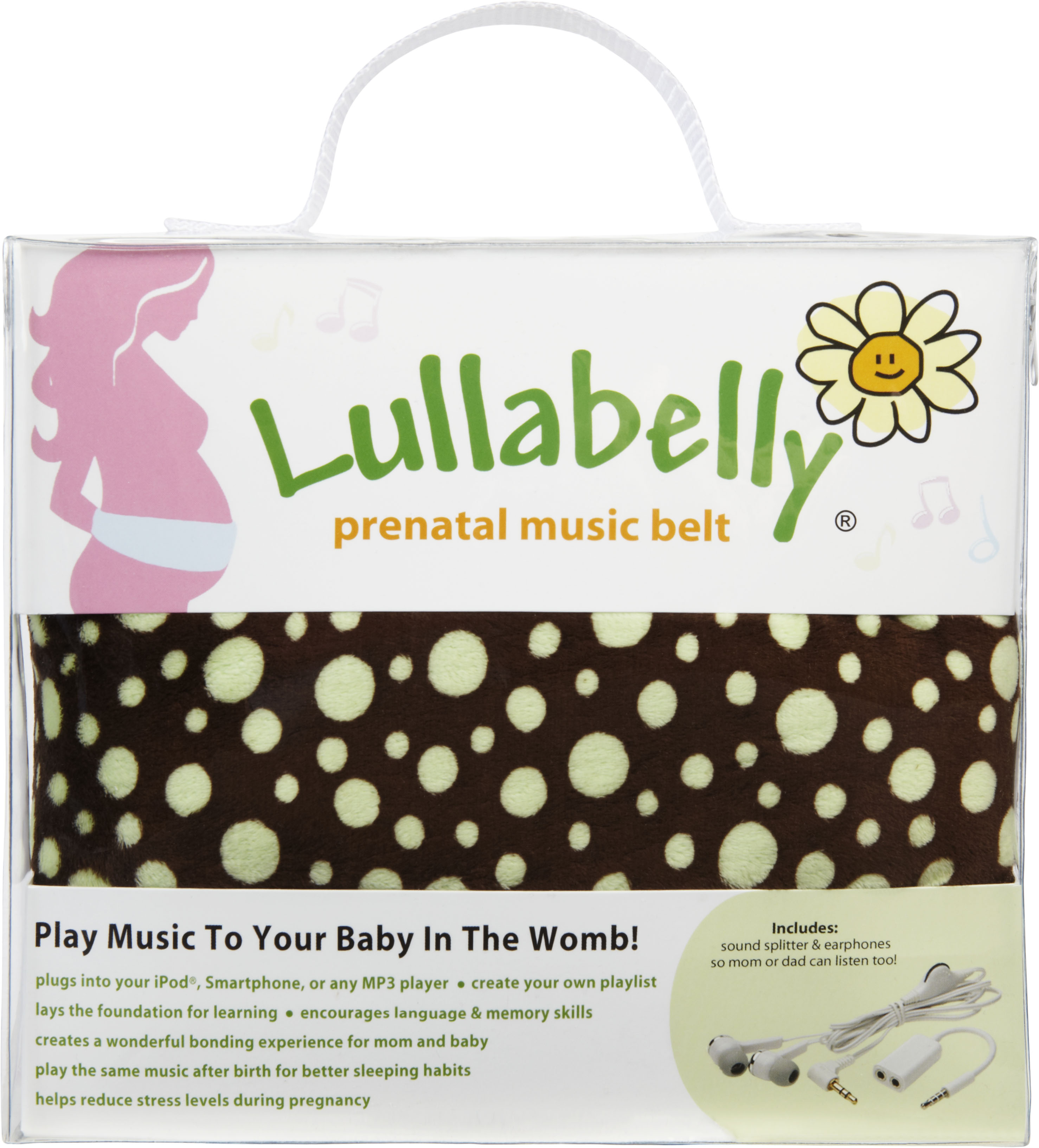
I have always reasoned that we as adults like certain kinds of music to create certain moods. We like perkier music during the day, and calm music at night. It is logical to assume our babies like the same. I liked to play Emma music before she was born. I used a Lullabelly belt and played my Ipod for her. I don't know whether or not it helped in her mental development, but hopefully she found comfort in hearing it. I also learned that babies show recognition to voices, stories, and music that they hear in the womb. I hope to have familiar sounds around her when she made her entrance into the world. 


Music is also vital for toddlers and older children. However the best age to learn a musical instrument is before late teens. Most anything is learned easier as a child, while the brain paths are still developing. Music is helpful to aid in how a child reasons and it is good to start teaching music to children as soon as possible. A lot of child development centers offer Kindermusik for children. It is a program to help teach children rhythm, harmony, melody, and other basic principles of music. If such a program is unreasonable, a mother can teach her child music, by getting soundtracks of fun nursery rhymes or folk songs and singing along with her child. She can intorduce noisemakers  rattles, or colored children's bells to her little ones and encourage them to keep rhythm or tune. 


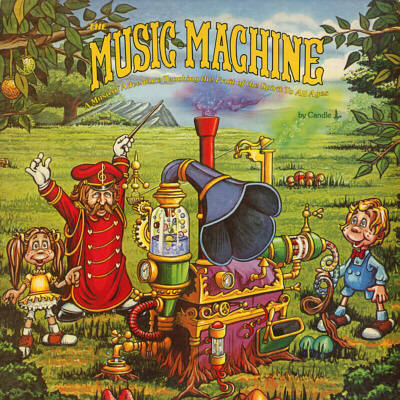
I have enjoyed observing my daughter starting to notice music. If she is fussy in the car, often she will enjoy a music CD geared for children with children singing simple songs. The current favorite we listen to is one I listened to as a child called "Music Machine." It is about a machine that sings and plays whatever object is put into it. For instance if fruit is put in, it will sing and play songs about the fruit of the spirit. It is a lot of fun. 


Other children's music recommendations:


Monday, October 3, 2011

A Nurse at Home

My husband had his wisdom teeth pulled recently, which reminded me how a wife and mother is not only responsible to clean, cook, and tend to the needs of the home, but to have an basic knowledge of health, nutrition, and medicine. I have learned a lot from personal experience. Thankfully, we have internet so a world of resources is available at my fingertips. The key to being a nurturing nurse is a basic knowledge of ailments and cures mixed with a generous dose of gentle, thoughtful, compassion.

Nursing that every homemaker should know:

Common Cold: Symptoms: sore throat, runny/stuffy nose, possible slight fever, congestion, achy muscles, sneezing, watery eyes
Appropriate Medications: Zinc, Menthol in cough drops or rubs, Vitamin C, over the counter drugs
Home Remedies: Water, Tea with honey, Juice with high concentration of vitamin C, Chicken Soup, humidity
When to see a doctor: if congestion, fever, or sore throat lasts more than 10 days, a high fever (105F)

Flu: Symptoms: headache, chills and fever, aching muscles, (children will get runny nose), possible nausea, sore throat
Appropriate Medications: Zinc, Vitamin C, ginger soda, over the counter fever reducers
Home Remedies: Water, Juice with vitamin C, Soups, humidity, gargling saltwater, garlic, warm and cold showers, ice packs on the head
When to see a doctor: if there is a fever of 105F or more, if a fever goes, but comes again a few days later, can't stop vomiting, Fever lasts more than 3 days, wheezing while breathing

Food Allergies: Symptoms: itching mouth, hives, swelling, difficulty breathing, possible shock, possible nausea
Appropriate Treatment: Antihistamines like Benadryl
Go to E.R.: difficulty breathing, shock, lightheaded or dizzy, rapid pulse, pass out


Fevers: Normal body temperature is 98.6F. A fever is a sign that the body is fighting off something. It could be a virus, infection, or something else.
Treat: If fever is 102F or above
When to call or see a doctor: If other symptoms accompany a fever
Babies-100.4F or above, adults 105F or above.

Food Poisoning: Symptoms: Nausea, vomiting, stomach pain, diarrhea, fever (usually 24 hrs. after eating the offending food)
Appropriate Medications: Treat like flu
Home Remedies: Lots of fluids, Chicken soup, let it pass
When to see a doctor: If sickness lasts more than 2 days, if child is under 3, if nervous symptoms occur: inability to function and move, talk, blurred vision etc.

Choking:
Symptoms: Wheezing, gasping throat, enlarged eyes (it is good for parents to tell their children to give them a signal if they are choking. In my home it was if any of us raised our hands above our heads)
Treatment: CPR-Mother's should know basic CPR well:
http://depts.washington.edu/learncpr/
If a person cannot breathe for 3 minutes brain damage occurs, 5 minutes-death

Scrapes/Cuts: Symptoms: Bleeding, Pain
Appropriate Treatment: clean with warm water, cover with Neosporin, Vaseline, or a Bedamine product, use gauze or a Band-Aid to secure
When to see a doctor: If bleeding won't stop, if cut is deep and will need stitches, if infection occurs, if cut was caused by a metal object-a tetanus shot may be needed

Heat Burns: Symptoms: Pain, rash, blister
Appropriate Medications: aloe vera cream, pain medication, Silavdene
Home Remedies: instantly put ice on the burn the wrap a fresh slice of aloe plant strapped with gauze to the burn
When to see a doctor: If the burn gets infected, if the burn is over a large portion of a body or body part, if there is cracking and bleeding in the burn

A mother at home who is nursing a sick child or husband should put everything else as second priority. A sick person is extremely dependant and needs just about as much comfort and attention as he or she does rest and recuperation. Nursing takes first place-a wife or mother should cancel all other engagements and focus her complete attention on getting those dear ones in her home back to good health.
Courtesy note: People who are sick should not attend group functions where there is any risk of getting others sick. That is how germs are spread!