Tuesday, January 31, 2012

It is time to read a book

Turn off the TV. Turn off the computer. Hang up the Phone. Turn off the radio. Sit Down. It is time to read a book.

Books are highly beneficial for personal edification and mental nourishment. As mother's we work hard to get our little ones to fall in love with reading books and try not to let them watch TV. Why? Because we know what is best for them. Why do we feel reading is so good for our little ones, but don't set aside the time to do it ourselves? Honestly, my first answer is that I am too busy. But in actually, it is because I have not set aside time each day for reading a book. Whether it be nap-time, nursing time, early morning or late evening, or even setting up little one with toys for a half hour-I should be able to fit in a little time each day to increase my knowledge and understanding. 


Reading has been shown to be mentally stimulating and aside from increasing a person't knowledge, reading improves memory and thinking skills as well as vocabulary and therefore writing skills. The major purpose of why I read is to improve my expertise-whether it be as a wife and mother, teacher, homemaker, or even my relationship with others and the Lord.


This year, I have made it a goal to read one book a month. It has to be a book that will benefit me in my career as a wife and mother as well as not hinder my relationship with the Lord with their content or philosophy.


These are the books I have chosen to read-some of them have been on my list for years, but I have never taken the time to set aside and dedicate the time to read. My focus in the majority of my reading is the gospel and ministering to others. My husband and I are dedicating our lives to have a home that reaches out to others and I need to learn how to do that better. We want our children to be sensitive and focused on others and hopefully spend their entire lives ministering and sharing the gospel to others.


Book List 2012
  1. The Mother at Home John S. C Abbott
  2. Passionate Housewives Desperate for God Jennie Chancey, Stacy McDonald
  3. Open Heart, Open Home: The Hospitable Way to Make Others Feel Welcome & Wanted Karen Burton Mains
  4. From Clutter to Clarity: Simplifying Life from the Inside Out Nancy Twigg
  5. The Mission of Motherhood: Touching Your Child's Heart for Eternity Sally Clarkson
  6. Choosing Gratitude: Your Journey to Joy Nancy Leigh DeMoss
  7. Sacred Influence: What a Man Needs from His Wife to Be the Husband She Wants Gary Thomas
  8. Ministries of Mercy: The Call of the Jericho Road Timothy J. Keller
  9. The Transforming Power of the Gospel Jerry Bridges
  10. A Love That Multiplies: An Up-Close View of How They Make it Work Michelle and Jim Bob Dugger 
  11. Shepherding a Child's Heart Tedd Tripp and David Powlison
  12. Unfashionable: Making a Difference in the World by Being Different  Tullian Tchivifjian and Timothy Keller 

Embracing the Feminine Side

As a new mom, getting dressed was a matter of putting my hair in a pony-tail and throwing on some comfortable sweats. After a couple months of throwing myself together, I was convicted that I needed to be more thoughtful in my daily attire whether I was going out or not. Several years ago, I read a couple books that affected my thoughts on my daily routine of personal preparation. One book I read was by Leslie Ludy called Set-Apart Femininity, and the other book was Captivating: Unveiling the Mystery of a Woman's Soul by John and Stasi Eldredge. Both focus on the thought of how much feminism has affected the way women-even Christian women think today. Thanks to the feminist movement, women now have the right to vote, run for office, and hold an occupation an man can hold at the same pay a man would have. However, feminism has affected manners, habits, and affection women once held for who they are as a lady. In an effort to compete with men, the woman has lost something that is precious and unique to her gender-femininity.


I was rebuked that a working woman  who dresses up to go to work every day-put more effort into her daily appearance than I, who had dedicated my life to the work and service of the home. I was faced with this fact when a couple weeks ago, I went to the bank to get pre-approved for a mortgage. A female vice president of the loan officers handled my case. She was dressed to the hilt in a classy suit, jewelry, make-up, and hair. I sat there in corduroy slacks and a sweater and felt very small. To me she was intimidatingly gorgeous and the seriousness she took in properly preparing herself for her work was a rebuke to me. Here I was, a stay-at-home Mom, believing that my job of being home with my children was the highest calling a woman could have, yet I slovenly prepared myself-seeking personal comfort in my attire, rather than effectiveness and appropriateness in the job the Lord had given me to do. 


Now, I don't think a home-maker needs to wear a suit and hosiery every day--obviously, that would not be appropriate for the necessary task a wife and mommy does, however, I have begun to understand that we homemakers have become so busy with daily tasks that we have succumbed to the masculine comforts of attire and etiquette rather than taking moments to enjoy femininity and grace. My personal goal is to take the time to embrace being a lady. 


I can embrace my femininity by how I dress. Wearing jewelry, make-up, curls, skirts, dressed, lace, and pretty shoes are all part of being feminine and should be things we as women enjoy and take the time to care about. As a habit, I try not to wear slacks every day, but enjoy a feminine skirt once in a while. If I choose to wear slacks, I try to pick a feminine top to accompany them. To me, dressing like a lady is counter-cultural and making a statement against the feminist movement of our day that encourages women to compete and be like men instead of embracing who they are and simply enjoying being a women.

I can also contradict the liberal feminist culture of our day by my speech and manners. Brushing up on etiquette books and knowing appropriate remarks vs. inappropriate ones can be a life-saver for many occasions. Being a lady means knowing how to use the words "Please" and "Thank-You." It also means knowing what is the appropriate attire for various occasions. What should a lady wear to clean house? shopping? visiting? church? funerals? weddings? 


In essence, being a lady means taking the time to savor life
-an afternoon in the park with the children-no other agenda but to enjoy the day
-a long visit with a friend or family member of hot tea-not wishing your company to leave so life can get back on its routine
-a long letter to an old friend
-playing or listening to music-for the sheer pleasure of it-not as a filler while some other task is being done
-taking the time to visit with my husband and children-not rushing off to bed or to the next thing


My heart's desire this year is that I will learn to cut out the unessential things in my life and savor who I am as a woman, a wife, and a mother. 


Captivating: Unveiling the Mystery of a Woman's Soul, revised and expanded  -     
        By: John Eldredge, Stasi Eldredge

Friday, January 27, 2012

Taking Time For Personal Care


Being a busy wife and mother makes it very hard to take time for personal care. When I was adjusting to motherhood a few months ago, there were days I didn't take the time to shower and dress until shortly before my husband came home from work. It was just easier to clean house and care for the baby without having to worry about showering and dressing or even sitting down to eat food. However, I have become increasingly aware of the need to take the time at the beginning of the day for personal care. When my hair is done, make-up is on and I am dressed neatly at the start of the day--that day goes a whole lot smoother than if I didn't take the time to prepare myself for it. 


Now when little Emma wakes up-pretty much on the dot at 7 in the morning, she is hungry. So my first order of business is to feed her. Now that she is eating some solids, I can sit her down for oatmeal and fruit and I can eat a healthy breakfast while I feed her. After that, I can set her up with some toys in the bathroom floor while I take a shower. Then I move her to our room while I dress, put on make-up, and do my hair. Then I dress her and get her ready for the day. By 8-8:30 we are both fed and dressed for the day. 


Taking the time seems like a nuisance, and there are many days I am tempted to skip drying my hair and wash the dishes in the sink or run off to some other task that needs to be done. If I can simply stick to getting myself ready and then moving on, it helps me stick to other tasks throughout the day without jumping from one to the next as well.

Thursday, January 26, 2012

Sweet Tea

My husband has three basic rules about sweet tea. 
1. There must always be sweet tea
2. The tea must be very sweet
3. The tea must be in the front of the fridge with nothing in front of it

Needless to say, there is always sweet tea in the front of our refrigerator. If we are out of tea for some reason or another, it is a family crisis. 

Black tea is beneficial to health. There are those who would argue that black tea is more healthy than green tea, because of the dark the flaviniods which contribute to the color of the tea. Regular consumption of black tea has shown to reduce the risk of strokes. Vegetables are a good source of flaviniods, but 70% of them come from black tea. Flaveniods help reduce bad cholesterol and had a reduced amount of heart attacks and strokes. However, it took more than 3 cups of tea a day to see an impact.

Black tea also contains antioxidant, which help purify the body's system and reduce the risk of cancer in men, but could increase the risk of breast cancer in women. Unsweetened black tea has also been shown to reduce the risk of diabetes. Studies have also shown a higher amount of diabetes in the southern states and some attribute that to the fact that southerns drink A LOT of sweetened black tea.


When my husband and I moved north, it took a while to adjust to the fact that, when asking for tea at a restaurant, it won't be sweetened. In fact, most restaurants don't even carry sweetened tea in the north. In the south, asking for tea with a meal is expected and it sweetened, unless one specifies that he does not want it sweet. Sometimes, restaurants in the south don't even serve unsweetened tea. Sweet tea is a staple in the South.


"2003 - Georgia State Representative, John Noel, and four co-sponsors, apparently as an April Fools' Day joke, introduced House Bill 819, proposing to require all Georgia restaurants that serve tea to serve sweet tea. Representative John Noel, one of the sponsors, is said to have acknowledged that the bill was an attempt to bring humor to the Legislature, but wouldn't mind if it became law. The text of the bill proposes:
(a)  As used in this Code section, the term 'sweet tea' means iced tea which is sweetened with sugar at the time that it is brewed.
(b)  Any food service establishment which served iced tea must serve sweet tea. Such an establishment may serve unsweetened tea but in such case must also serve sweet tea.
(c)  Any person who violates this Code section shall be guilty of a misdemeanor of a high and aggravated nature."
http://whatscookingamerica.net/History/IcedTeaHistory.htm

Sweet tea is a sugar nectar mixed with strong black tea and chilled over ice. 

I make a gallon of sweet tea every other day and interestingly I rarely drink a glass because I try to watch sugar and caffeine. It is a mystery where it all goes...

How I make sweet tea

3 cups sugar
18 cups water
7 Lipton Tea bags

Mix sugar and water together and bring to boil
Turn off heat-steep 7 tea bags - the longer the better - overnight is good
Chill and serve cold or over ice


Friday, January 20, 2012

Basic Emergency Shelf

Wintertime is the time I am reminded to make sure my home is adequately prepared in case of a power outage for a couple days. Being in snow and tornado country, it can be a good possibility. There are some things that a prepared housewife will keep on hand in case of such a time.


Food Prep:
Gas oven, wood stove,  or outdoor grill-make sure there is charcoal and lighters or enough gas to last a few days
Easy prep food-usually meals in a can like ravioli, soup, or stew are a great choices (make sure there is a hand can opener)


Warmth:
Blankets/sleeping bags
Indoor safe propane heater and propane


Light:
Candles/matches
Oil lamp and oil
Good flashlights with extra batteries or wind-up power


Water:
Drinking water
Dirty water-unfiltered water personally stored in milk or pop jugs-for dish-washing, cleaning, and bathing


First Aid Kit:
Children's Tylenol (if there are children in the home)
Bandages
Adult Pain reliever
Hydrogen peroxide
Thermometer


Gas:
Storing gas can be dangerous, but if power is out for a few weeks, it is possible that getting gas for the car will be difficult-it is a good idea to store a couple gallons on the side in case of an emergency trip (Gas goes bad, so it should be used and replenished every 4 months)

Thursday, January 19, 2012

Making Baby Food

Emma loves the food I make her far better than the food purchased in a jar. I must say, I can't blame her. The smell of overcooked smashed up green beans is enough to make my taste-buds curl. Making baby food is not only easy, but very nutritious as well.


I have used both fresh and frozen vegetables to make baby food. 


Frozen:
Peas
Green Beans
Carrots
Beets
Broccoli
Really-most any frozen veggie or fruit that is age appropriate will work
  • Cook until the food is soft enough to mash with a fork-vegetables can be steamed or cooked in water.
  • Mix about 1/4 c. water for every 1/2 c. veggies
  • Blend in food processor, blender, or use a stick blender to turn the vegetables into mush
  • Add water to create desired consistency (I like mine thick like pudding, it is a lot less messy during feeding time)
  • Spread into clean ice cube trays bang the trays on the counter to remove bubbles and level out
  • Freeze overnight
  • Put in Ziploc bags and label
Fresh:
Fresh fruits and vegetables vary according to how they are cooked but some great starters for little ones are as follows:


Baked Acorn Squash


Avocado


  • Peal and mash with a fork
  • Serve fresh or mic with a little lemon juice and freeze in ice cube tray


Broccoli/carrots/green beans/peas

  • steam or cook until soft
  • blend with water to form pulp
  • freeze in ice cube tray 


Sweet Potatoes

  • Puncture skin with fork
  • Place on aluminum foil directly on oven rack
  • bake at 350 for 40 minutes until soft
  • remove peal and mash with a fork
  • freeze in ice cube trays
Doctors recommend introducing vegetables to babies, then meats, then fruits. 


Wednesday, January 18, 2012

Caring for carpet

Personally I love carpet-I always have. Especially now that I have a little one who is wobbling and toddling about-carpet makes a much softer landing than almost any other type of flooring. Carpet however can be a dust and soil collector if it is not properly maintained. 


Carpet care begins with:

1. Regular vacuuming-vacuuming carpet 3 times a week to daily is the best way to keep the surface dirt from sinking into the roots of the carpet. Carpet should be cleaned more if there are children or pets in the home-not as frequently if there is less traffic.

2. Re-arranging traffic patterns-carpet will soil and wear down where it is trodden on the most, so to keep it looking fresh, it is wise to re-arrange furniture where possible to redirect where people put their feet.

3. Protect carpet (all floor types for that matter) by not wearing shoes in the house, having rugs outside and inside doors can cut down on the amount of dirt coming in the house.

4. Change A/C filters regularly. Dust blows through dirty filters and sticks to walls, furniture and carpets.

5. Spot clean-if something spills or falls-clean it up immediately. My favorite carpet stain remover is Resolve. I have yet to come across anything it doesn't remove. It even got grape juice out of the carpet like magic.

6. A fabric deodorizer sprayed on carpets gives the carpet a fresh smell and protects against stains. Do not use powdered deodorizers because the crystals never vacuum up 100% and can build up in the carpet leaving a greasy feel.

7. Once a year it is a good idea to get carpets cleaned professionally. The professional equipment can remove difficult stains and soils as well as rooted dirt.

Monday, January 16, 2012

Canning Chicken Stock

This weekend I ventured into canning the chicken stock that has been accumulating in my freezer. The hardest part of the process was figuring out how to work the pressure cooker. Other than that-it was a very easy and quick task.

Day before:
1. Thaw all the chicken stock in a large pot
2. Re-fridge the pot

Canning Day:
1. Skim off fat from the top of the chicken stock in the pot
2. Warm up broth to pouring consistency
3. Wash pint or quart jars (foods processed in a pressure cooker do not need to need to be in sterilized jars)
4. Check jars for cracked or chipped edges
5. Warm new lids in a pot of 180 degree water
6. Pour the broth through a cheesecloth into clean jars leaving exactly one inch of space at the top
7. Place new lid on the jar and screw on the band
8. Set the jars in the pressure cooker
9. Add 2-4 qts of water-depending on pressure cooker size and amount of jars being processed
10. Turn heat on high until steam comes out pressure cooker vent
11. Steam 10 minutes, then add 10# pressure
12. After about 15 minutes the pressure gauge will begin to rattle
13. Turn heat down slightly, but keep rattling consistent
14. Cook 20 minutes
15. Turn off pressure cooker
16. 2 hours later or the following day, remove jars from pressure cooker
17. Check to make sure jar lids have sealed by pushing on the top of each lid-they should be solid and not pop back
18. Wash the jars and label with contents and date
19. Store for use


Friday, January 13, 2012

Troubleshooting Automatic Dishwashers

Since we moved into our apartment three years ago, I have struggled with getting the cheap rental dishwasher to work properly. This past month I made some changes that have improved the quality of the washes 90%. With a cheap dishwasher, I don't expect that I will ever get perfect washes, but at least I don't have to wash all the dishes by hand after they come out of the dishwasher.

Problems-
1. White residue on dishes
2. Grit and dirt left in the bottom of cups and bowls on top rack
3. Dishes not coming completely clean

Solutions-
White chalky residue can be caused by the phosphates in soap or minerals in hard water.
1. Use a powdered dishwasher soap, gels and gel packs clog up the dishwasher and are the worst kind of dishwashing detergent one can use
2. Use a phosphate free soap
3. Add white vinegar in the place where a rinse aid would be placed, use a dry detergent, and sprinkle baking soda on the door, then before starting a wash, run the kitchen sink to make sure the water starts out very hot
4. Make sure the water starting in the dishwasher is 120 degrees or hotter
5. If none of those work, the problem is hard water and a water softener is needed.
6. Sometimes white residue is simply a result of using too much dishwasher soap-reducing the amount may solve the problem


Grit and Dirt on dishes on the top rack
1. Make sure the water sprayer in the bottom of the dishwasher is not covered with a dish or pan and check that there are not dishes too close to it so that it can spray throughout the machine evenly
2. Make sure there are no food particles jammed in around the water drains or corners of the dishwasher before starting the dishwasher
3. Dishes should be adequately rinsed

Dishes not coming clean
1. Dishes should be rinsed off before going into the dishwasher. Heavily soiled dishes should be soaked and washed-most dishwasher will not do that work.
2. Don't put dishes in the wash with food particles stuck on them--eggs and cheese are particular enemies

Properly Loading a Dishwasher
How one loads dishes in a dishwasher is vital to how the machine performs-yes there are right and wrong ways to load the machine

1. Place dishes that need a little more pressure wash on the bottom-plates and bowls usually go there because they are generally more soiled than glasses and cups which typically conatian only liquid. The bottom rack of a dishwasher receives more water pressure than the top protion.

2. Place plates toward the center of the machine-keep them separate from each other so they will be sprayed evenly

3. Place cups and glasses upside-down on the top portion of the dishwasher. Bowls can go on the top or bottom depending on how soiled they are.

4. If plastics like Rubbermaid or Tupperware are being washed, they should go on the top rack in the dishwasher because the heat element is in the bottom and they will be less prone to warp or melt.

5. Silverware should be placed in the silverware tray, although it is convenient to unload a dishwasher of all the forks, knives, and spoons are with their own kind in one cube, nesting can occur and they may not wash well. So it is a good idea to scatter them randomly in the tray-knives and forks facing down and spoons heading up.

6. Make sure breakables do not touch each other or other hard objects.

What not to put in the dishwasher:
·       Anything that says not to wash in the dishwasher
·       Anything with wood-a dishwasher will dry out wood and take off any finish
·       Plastics-especially softer plastics like baby bottle nipples
·       Pots  and pans-the heat and soap chemicals can dull the finish or cause plastic handles or Teflon finishes to chip or crack
·       Good knives-can dull the blade

Dishwasher maintenance
A dishwasher should be cleaned once a month.

1. Dishwasher should be empty of all dishes
2. Clean runners and sides of the machine
3. Make sure no food is left in corners or around dishwasher drains
4. Run a dishwasher cycle without dishes or soap adding 2 cups of white vinegar to the bottom of the machine.


Friday, January 6, 2012

Sqash and Pumpkin Seeds


Very often I find we housewives shy away from using the main source of food for recipes and prefer popping open a can for pumpkin or squash. In reality, both pumpkins and squash are very simple to bake and not that expensive in season. Nothing can match the flavor of an oven roasted pumpkin or squash. I also found that by referring to a can, I often miss out on another treat from these vegetables--the seeds.

Pumpkin and squash seeds are extremely nutritious and very good once salted and roasted.

Health Benefits of Squash and Pumpkin Seeds
  • Increased Immune Function
  • Reduced Risk of Colon Cancer
  • Alleviation of Cardiovascular Disease
  • Alleviation of Hypertension (High Blood Pressure)
  • Promoted Eye Health
  • Osteoporosis Protection
  • Stroke Prevention
  • Antioxidant Protection
  • Prevention of Epileptic Seizures
  • Alleviation of the Common Cold
  • Prevention of Alopecia (Spot Baldness)
courtesy: http://www.healthaliciousness.com/squash-and-pumpkin-seeds.php


How to roasted squash or pumpkin seeds

  • Scoop the seeds and stringy pulp from the inside of the vegetable
  • Rinse the seeds and detach from pulp (I found it helpful to use a large strainer and rub the seeds in my hands until they separated)
  • Lay the seeds on a paper towel to absorb moisture
  • Preheat oven to 250F
  • Pour the seeds into a bowl and mix with 1 T olive oil and 2 t. salt per 2 cups of seeds
  • Spread seeds onto an ungreased jelly roll pan
  • Bake for 15-20 minutes until the seeds are golden and start popping on the sheet
  • let cool and enjoy!

The seeds have a nutty flavor once roasted, and I find them highly addicting.

After trying a batch of salted seeds, it will be fun to experiment by adding chili seasonings, or garlic to the next batch.


Thursday, January 5, 2012

Storing Grains and Flours

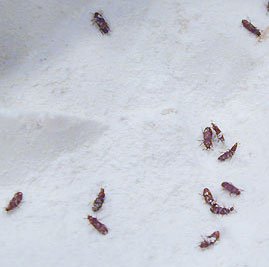
I recently went to a country market and purchased bags of wheat flour and wheat bran at a bargain. Having the wheat on the shelf is a free dinner invitation to meal bugs. Sadly, I have lost several pounds of flour I had stored in an airtight plastic container to the little critters already. 

So, this time I intend to store the wheat products correctly. From my reading, all grains, rice, and beans should be stored in these methods to best preserve their flavor, nutrition, and keep their oils from going rancid. Most articles recommend these methods of storage if the product will not be used in two weeks or longer. 

1. Store in 2 zip-locked freezer bags in the refrigerator (6 months)
2. Store 2 zip-locked freezer bags in the freezer (12 months)
3. Store in food grade Mylar bags and in a food grade plastic container in cool, dry place (12 months)

Mylar bags are available online from food storage companies. They have been used for years to line plastic food containers. The bag keeps the food in an air free environment and the metallic linings prevent insects and rodents from entering. The bags sell for a little over a dollar online.


Food storage containers come in varieties of sizes and from various sources. They can be purchased as a 6 gallon bucket for bulk ingredients, or they can be bought at a local department store as small as 3oz cups. I prefer an opaque plastic container to keep my foods as dark as possible for long term storage. Light is an enemy of nutrients. I also want to make sure my plastic containers have a good seal. A lot of cheaper food storage containers have lids that allow air and insects inside. I do not want either and am willing to pay a little extra to keep my food safe. 

As expensive as Tupperware can be, it usually has the best plastic products. I have used Rubbermaid for short term or refrigerator storage, but find that the seals are often loose. Aside from plastic containers, Pyrex and Corning glass make containers with lids that are very secure. They are not large storage containers and are heavier than plastic, but useful for small items.